DUNE INSIGHT
The €27 Million Business Inside Cycling Shorts
New cyclists tend to study frames, groupsets and wheels. After a few long rides, another piece of equipment starts to deserve their attention: the pad sewn into their shorts.
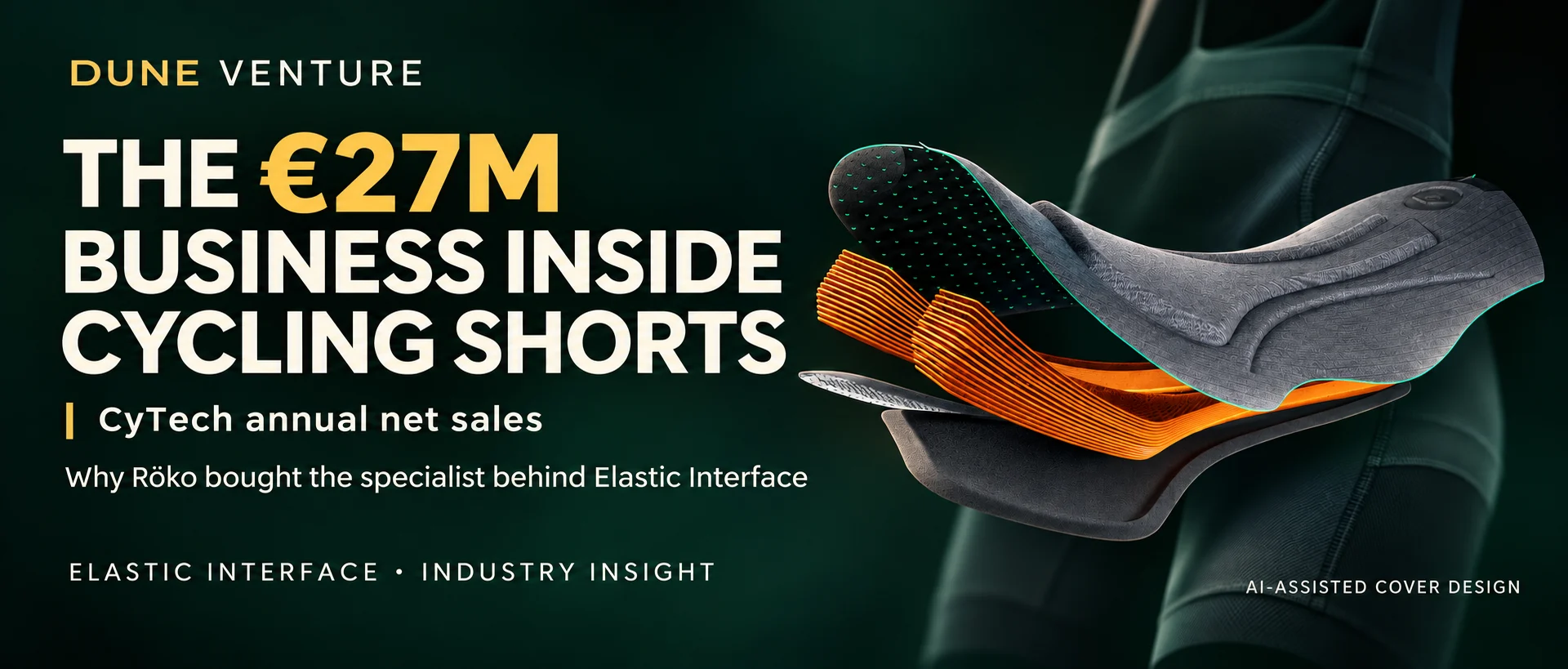
By DUNE VENTURE
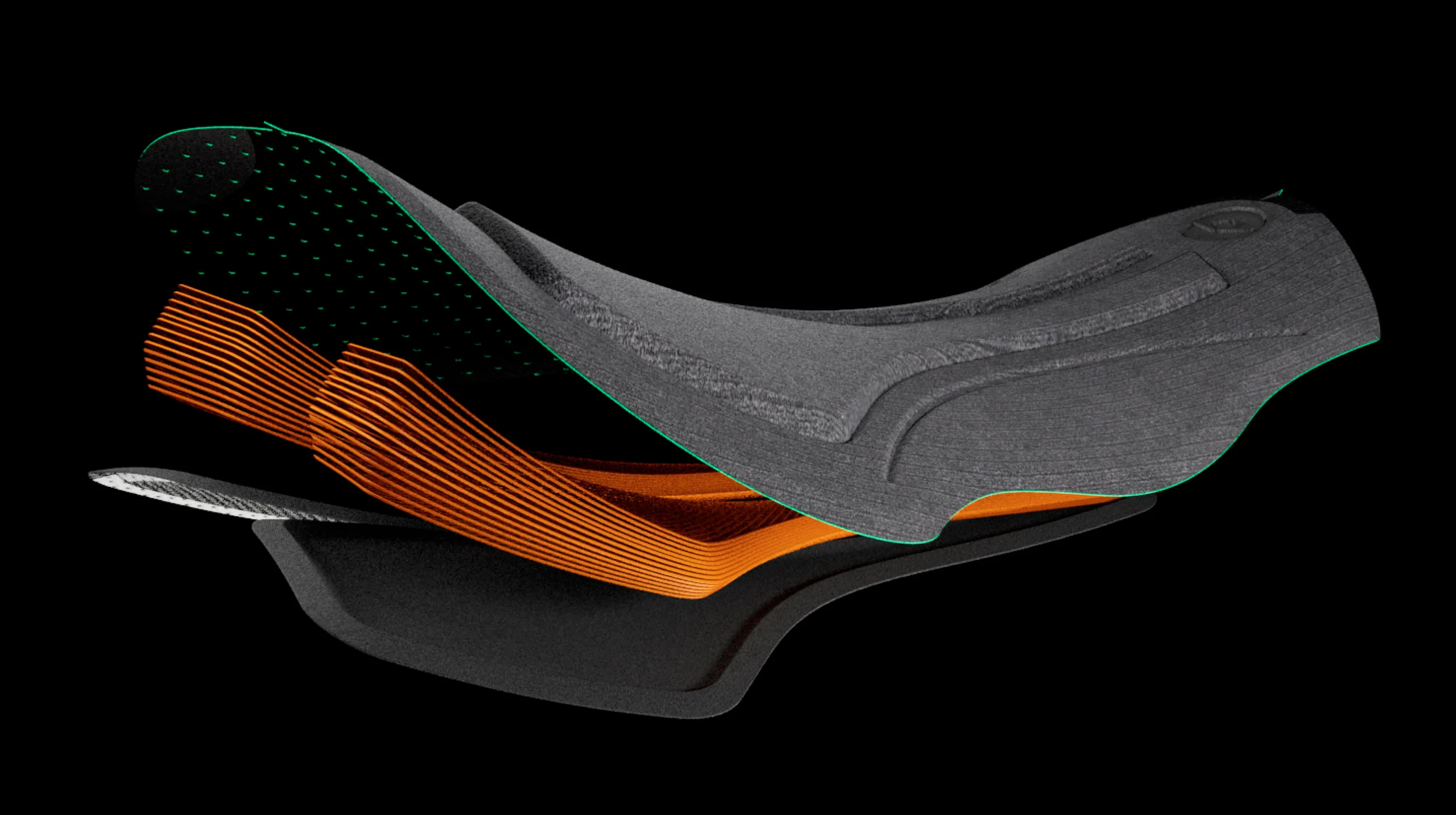
New cyclists tend to study frames, groupsets and wheels. After a few long rides, another piece of equipment starts to deserve their attention: the pad sewn into their shorts.
A beautiful bicycle offers little consolation when sitting on it becomes uncomfortable. A component that barely appears in a product photograph can shape the memory of an entire ride.
An Italian company has built a business with €27 million in annual net sales around these small points of contact between rider and bicycle.
On August 4, 2026, Swedish holding company Röko announced its acquisition of 99% of CyTech, the business behind cycling-pad specialist Elastic Interface. The announcement described a company with approximately 190 employees supplying cycling-apparel brands worldwide. [1]
The €27 million figure covers CyTech as a whole, including products such as glove padding and insoles. It is neither the acquisition price nor the sales of a single cycling pad. The purchase price was not disclosed. [2]
What makes the story interesting is how such an unobtrusive product can support a company with global customers.
Start with the rider's decision to buy again.
A shopper can judge the colour and cut of cycling shorts on a screen. The pad has to prove itself on the bike, through hours of repeated movement. The difference becomes apparent after the purchase.
That creates a commercial problem for an apparel brand. Investment in design, marketing and distribution can lose much of its value if one component touching the rider's body spoils the experience. The next purchase may go elsewhere.
A component's share of production cost can be very different from its influence on the next purchase.
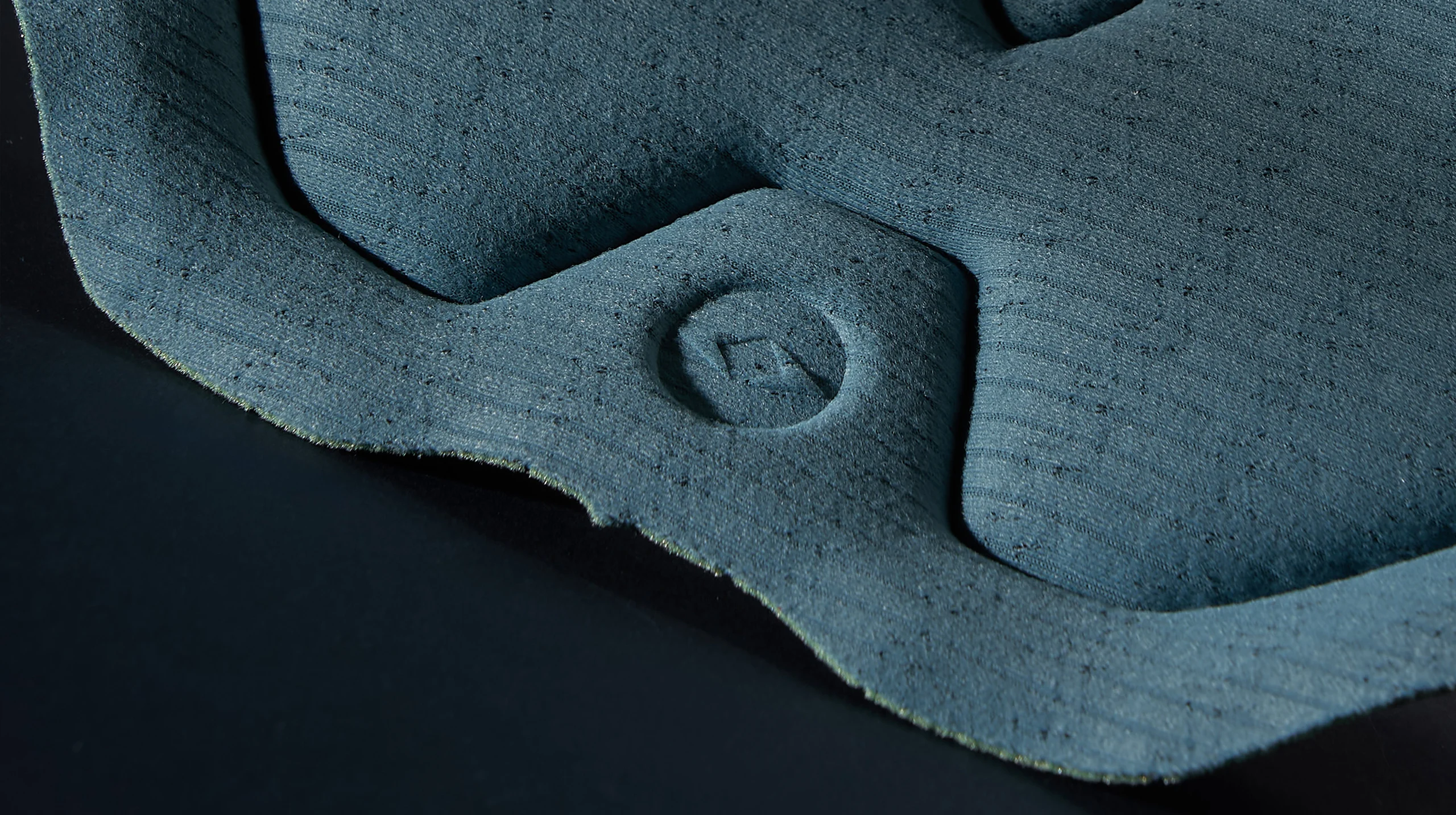
This is where a specialist supplier can earn its place.
Elastic Interface describes designs tailored to riding positions, cycling disciplines and anatomical differences between men and women. Its technical materials also discuss research with the University of Padua into riding posture and pressure points. Materials, shape and the placement of support are all part of the development process. [3]
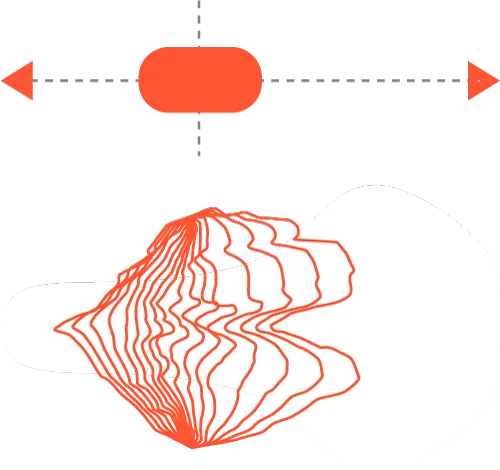
For the rider, the desired result is simple: shorts that feel comfortable and fit properly. The supplier has to turn that experience into questions a development team can answer.
Where is support needed? Where does the body need freedom to move? How do contact areas change with riding position? Can the same design perform consistently across a hundred units, then ten thousand?
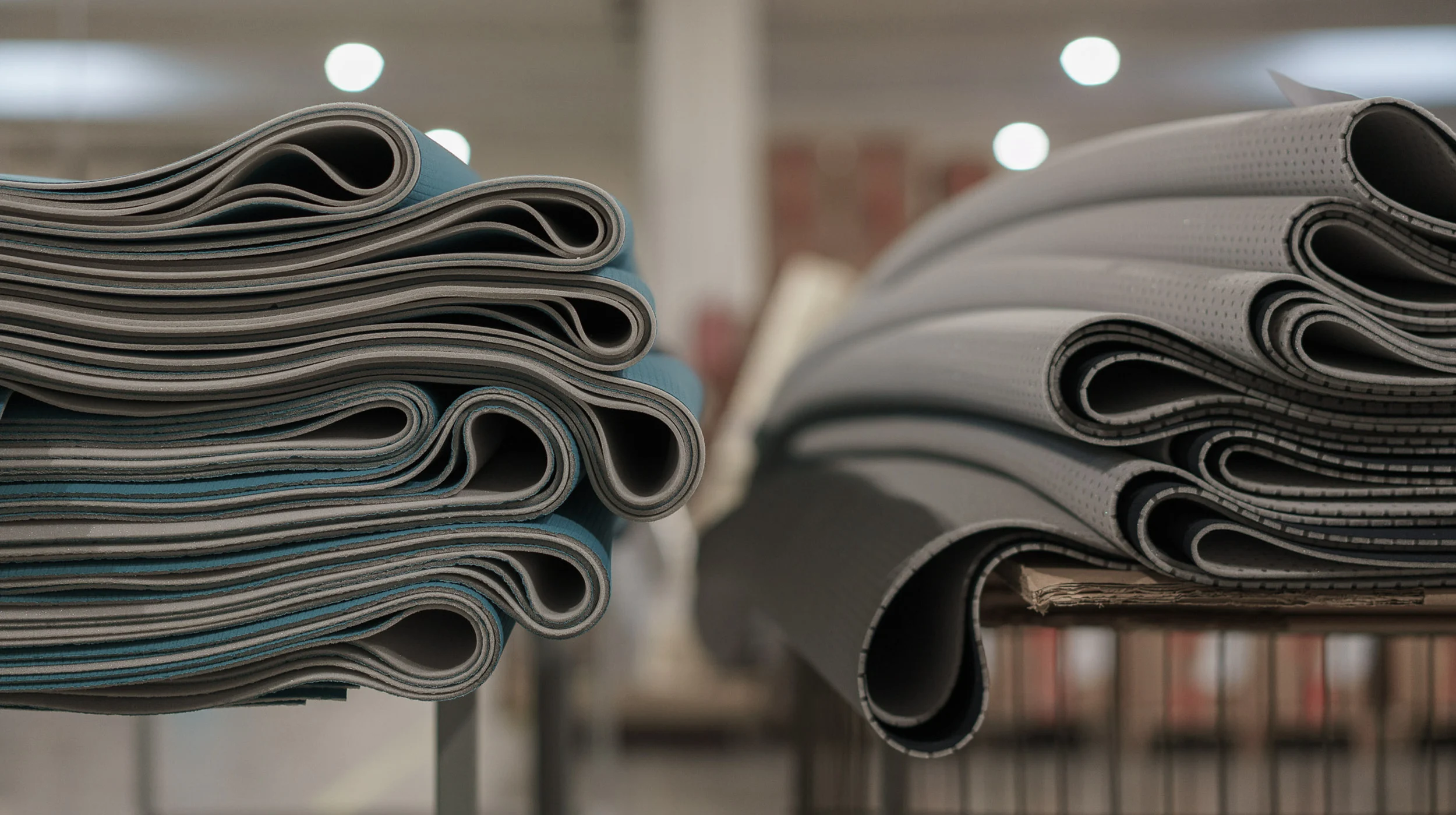
Material science and manufacturing matter here, alongside a close understanding of how the product is used.
The valuable capability is translating an experience that riders struggle to describe into something an apparel brand can specify, purchase and deliver reliably.
Consider who that supplier must convince.
CyTech sells to cycling-apparel brands around the world. Its components can reach riders through multiple customer brands, each with its own positioning and distribution. [1]
For Chinese manufacturers seeking international growth, this is a route worth examining.
A consumer brand must keep solving problems in customer acquisition, retail, inventory and after-sales service. A specialist component business must persuade product managers and purchasing teams responsible for the finished garment.
Those buyers care about price. They also need evidence, dependable deliveries and a supplier able to diagnose problems and improve the product.
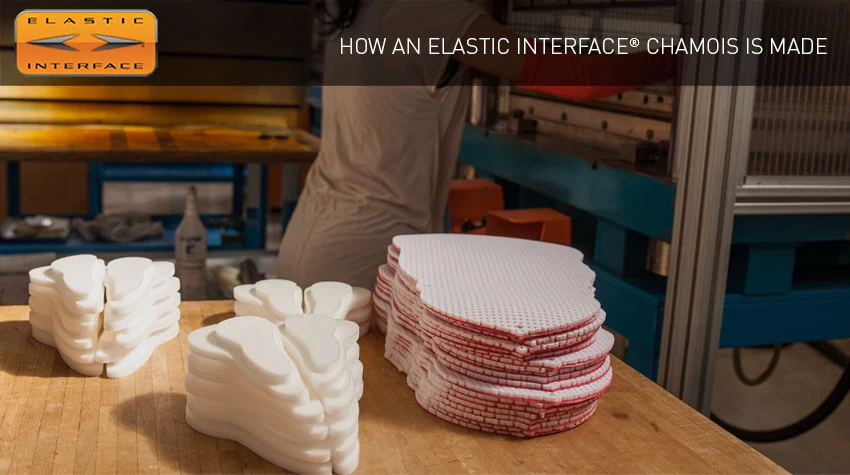
Changing a pad supplier involves more than comparing two quotations. Samples need to be made, garments fitted and performance tested. The pad must work with the shorts' pattern and construction. Procurement savings have to be weighed against the time and risk involved in validating a replacement.
These are general considerations in supplier economics, rather than evidence that CyTech's customers lack alternatives. They explain why repeated delivery can build a relationship with more substance than a single order.
A specialist earns lasting relevance by helping its customers make a better finished product, repeatedly.
The acquisition becomes easier to understand through that lens.
Röko describes itself as a long-term owner of European small and medium-sized businesses. CyTech was its third platform acquisition in Italy. [1]
A buyer assessing a business like this would need to examine customer concentration, order stability, key employees and the ability to maintain quality as the company grows. Product knowledge, testing routines and delivery experience would all deserve scrutiny.
Annual net sales of €27 million establish a meaningful operating scale. The public information does not establish the company's margins, acquisition valuation or the buyer's eventual return.
What the buyer acquired was an operating business already embedded in customers' supply chains, with a history of developing and delivering products.
In a recent article, DUNE examined Thule's acquisition of bicycle-carrying equipment brand Aeroe. Put the two stories together and a useful pattern emerges: one business addresses how riders carry luggage; the other addresses how they remain comfortable in the saddle.
An opportunity in cycling can be as specific as a rack or a pad.
The questions are practical. What frustrates people on an actual ride? Who will pay to improve it? Can a company keep delivering that improvement for years?
For materials producers, component factories and equipment businesses, these questions bring strategy closer to the workshop and the customer.
A fabric manufacturer can study abrasion, moisture management and fit in a particular sport. A bag maker can investigate access while riding, stability over rough ground and wear on the bicycle frame. Customer testing must establish whether the problem matters and whether the proposed solution works.
That is how a supplier can progress from fulfilling a specification to participating in product development.
A narrow niche still has competitors. A small product does not guarantee attractive profits, and an acquisition does not make the same strategy right for every founder.
The more useful lesson concerns the scale of the problem: focused enough for a team to study deeply, consequential enough for customers to care every time they use the product.
At DUNE, we see room to build a specialist business by taking responsibility for a specific outcome.
Keep luggage secure over rough roads. Help cycling shorts remain comfortable through a long ride. Deliver the result, let customers test it repeatedly, and build the conditions for continuing orders.
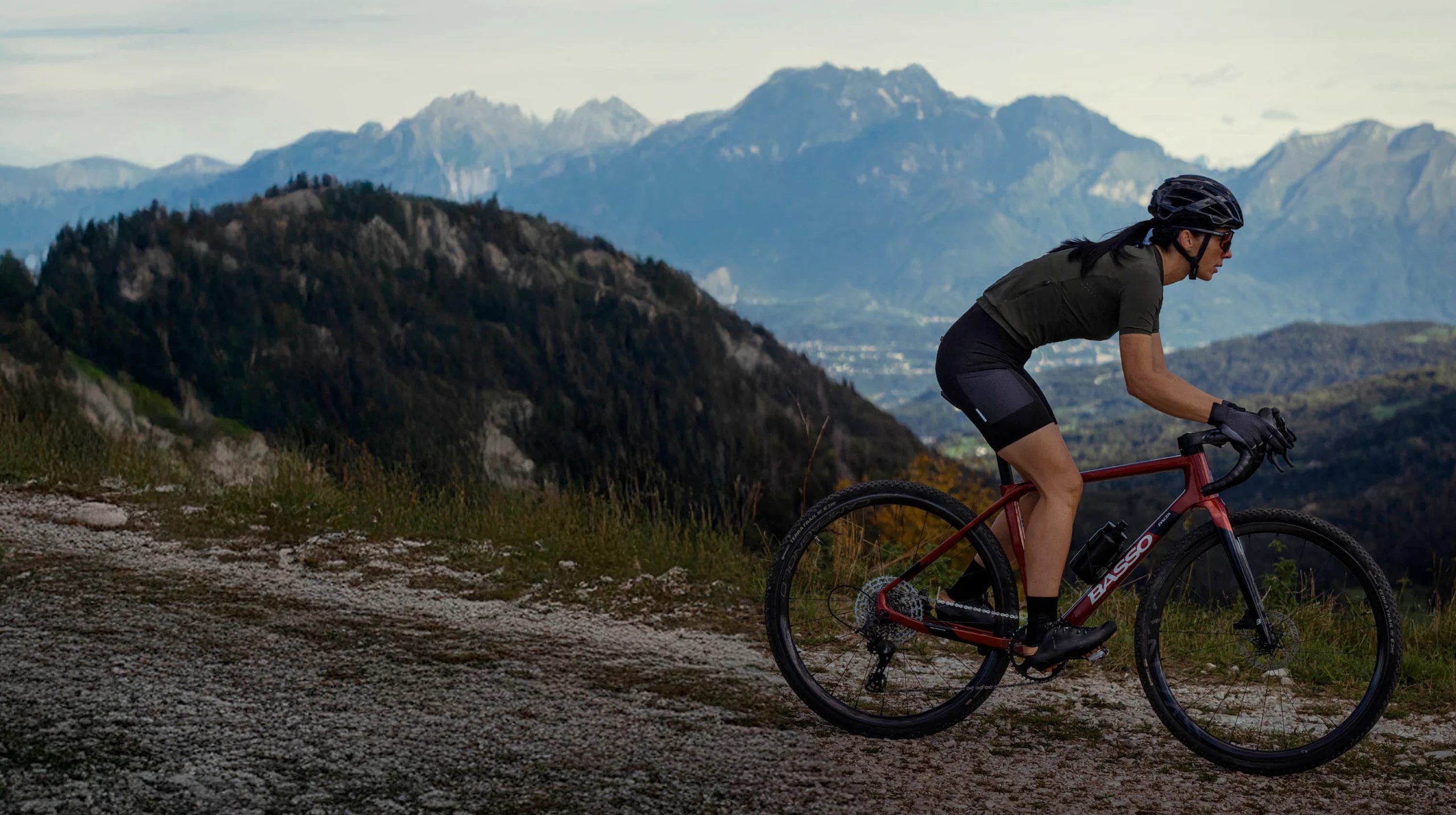
Riders set off thinking about the horizon. An entrepreneur may find a worthwhile business by paying closer attention to the discomfort along the way.
Sources for the original reporting, checked November 6, 2026:
- Röko: Acquisition of CyTech, August 4, 2026
- Bicycle Retailer: Chamois maker Elastic Interface acquired by Röko AB, September 4, 2026
- Elastic Interface: Technologies and biomechanics
Discussion of purchasing decisions, supplier relationships and opportunities for manufacturers is DUNE VENTURE analysis. Technical descriptions are attributed to the brand. Net sales are distinct from profit, acquisition consideration and valuation.
Image sources: Elastic Interface Lab, Science Behind, and How an Elastic Interface Chamois Is Made. The cover is an AI-assisted editorial illustration.
Related insights
 DUNE collection image · Concept imagery
Global Growth
How Is AI Changing Global Expansion?
AI changes global expansion at four levels: efficiency, product, customer experience, and business model. The strategic value increases as the change moves closer to the reason customers buy.
 DUNE collection image · Concept imagery
Global Growth
How Should a Chinese Company Choose Its First Overseas Market?
Choose the first overseas market as a beachhead: a place where the company can reach the right customer, test its advantage, learn quickly, and preserve options.
 DUNE collection image · Concept imagery
Global Growth
What Is the First Step in Going Global?
The first global decision is not a destination. It is whether global growth is strategically necessary and which earned capability deserves to travel.